By Galo S Mirth
2021 was the year shogi’s center of gravity shifted. Sota Fujii did not just win. He changed the shape of the title map, taking the Ryuo crown and becoming the youngest ever four-crown holder. At the same time, women’s shogi entered a new era with the launch of the Hakurei title system and its rank league.
This review highlights the biggest results, plus a few broader stories from the year that mattered to fans and to the professional scene.
1) Fujii Sota’s breakthrough year became a structural change
In 2021, Fujii defended the Oi title (62nd Oi) against Masayuki Toyoshima, won the 6th Eiou title match against Toyoshima, and then captured the 34th Ryuo title in a 4-0 sweep. The Japan Shogi Association’s official November report records that this made Fujii a four-crown at age 19 years and 3 months, breaking Yoshiharu Habu’s previous youngest four-crown mark.
The significance was larger than one record. Fujii’s results compressed several title transitions into one season and set up a new competitive baseline for the following years.
2) The Toyoshima vs Fujii clashes defined the top board
The Oi and Eiou title matches gave 2021 a clear narrative: repeated high-level confrontations between Toyoshima and Fujii across different time controls and match formats. In practical terms, the same pairing drove fan attention through the summer and helped carry momentum into the Ryuo title match in autumn.
Even outside pure results, this sequence mattered for spectatorship. Fans were not watching isolated title series. They were watching one elite rivalry evolve in real time.
3) Women’s shogi opened the Hakurei era
2021 was also the first year of Hakurei title-match play, built on the new women’s ranking league (joryu jun-i sen). This was an important institutional change, not just a new trophy name. The format introduced a rank-based league path that many observers compared to a women’s counterpart to the classic rank-league logic in men’s title qualification systems.
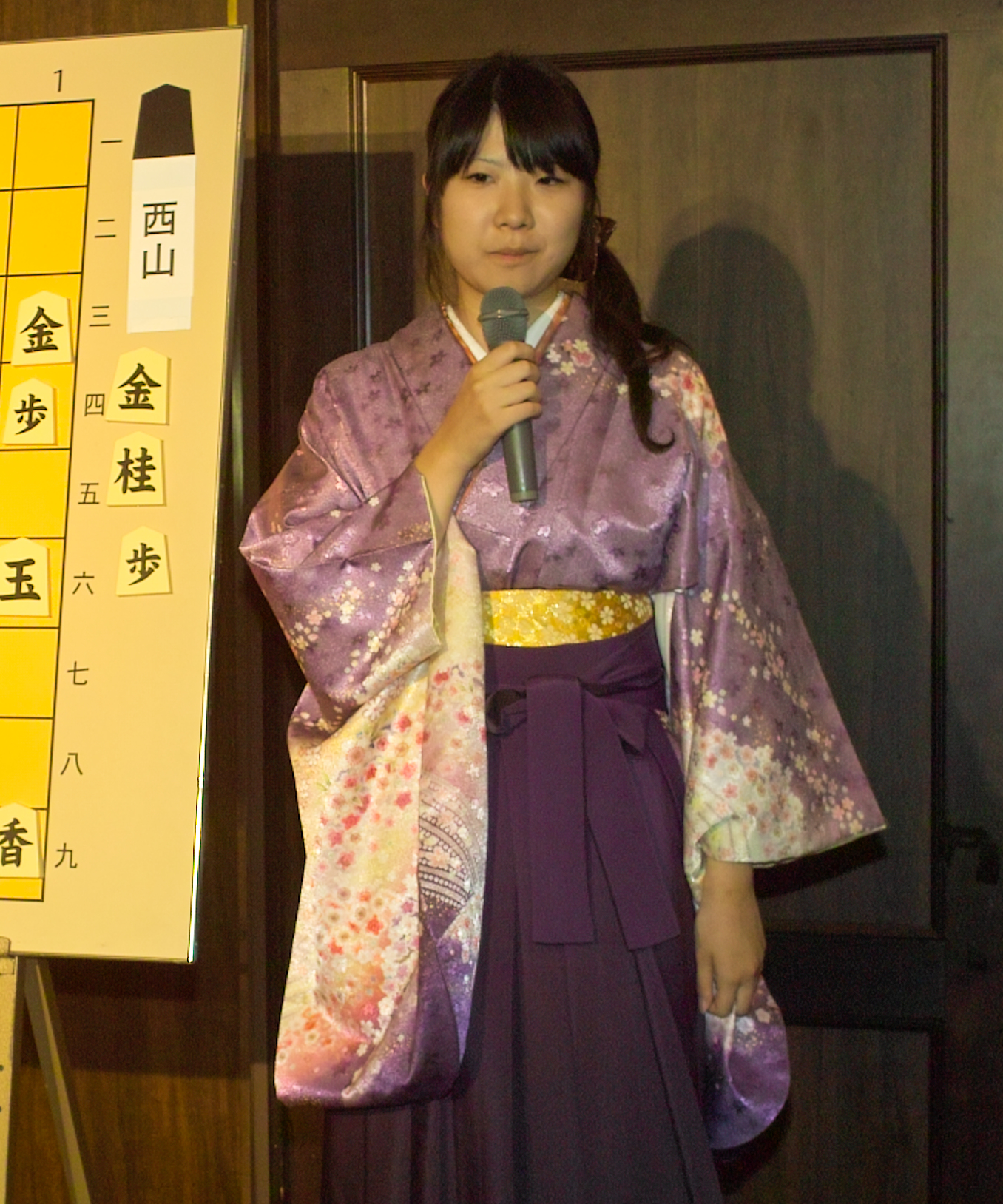
The first Hakurei cycle ended with Tomoka Nishiyama as the inaugural title holder, making the year historically significant for women’s professional shogi.
4) The yearly picture beyond title headlines
- System and sponsorship evolution: The Eiou event had already shifted to a new sponsor structure and a five-game format, and by 2021 this new shape was fully part of the annual rhythm.
- Media concentration around marquee players: The repeated Toyoshima-Fujii meetings and the four-crown milestone pulled mainstream coverage toward shogi more strongly than in many previous years.
- Women’s circuit visibility: The new Hakurei framework gave women’s results a clearer season-long narrative for fans to follow.
5) Why 2021 still feels like a pivot year
Many seasons have one memorable champion run. Fewer seasons change both competitive hierarchy and tournament structure at the same time. 2021 did both. On the men’s side, the title hierarchy tightened around Fujii. On the women’s side, the Hakurei launch created a new flagship route and ranking narrative.
That is why 2021 remains one of the easiest years to point to when explaining how today’s shogi landscape was formed.
Sources (Japanese)
- 日本将棋連盟「藤井聡太王位・叡王・棋聖が竜王を獲得し最年少四冠に」(2021年11月13日)
https://www.shogi.or.jp/news/2021/11/post_2069.html - Wikipedia日本語版「2021年度の将棋界」
https://ja.wikipedia.org/wiki/2021年度の将棋界 - Wikipedia日本語版「第62期王位戦」
https://ja.wikipedia.org/wiki/第62期王位戦 - Wikipedia日本語版「第6期叡王戦」
https://ja.wikipedia.org/wiki/第6期叡王戦 - Wikipedia日本語版「第34期竜王戦」
https://ja.wikipedia.org/wiki/第34期竜王戦 - Wikipedia日本語版「白玲戦」
https://ja.wikipedia.org/wiki/白玲戦