By Galo S Mirth
Dōbutsu shōgi, often called Animal Shogi, is one of the most successful modern gateways into Japanese board game culture. It keeps core shogi ideas such as capture, drops, promotion, and king safety, but compresses them into a small board and a ruleset that children and first time players can learn quickly.
What Dōbutsu shōgi is
The standard game uses a 3×4 board and four piece types per side: lion, giraffe, elephant, and chick. Like standard shogi, captured pieces switch sides and can be dropped back onto the board. A player wins by capturing the opposing lion, or by a successful “try” where their own lion reaches the back rank and cannot be captured on the next move.
Origin and creators
Japanese sources describe Dōbutsu shōgi as a 2008 project associated with women’s professional shogi activity. The basic rule concept is credited mainly to Madoka Kitao, while the visual design is credited to Maiko Fujita. The title first spread through activities around LPSA and then expanded to general retail release, where it reached a far wider beginner audience.
How the rules teach real shogi ideas
Even though the board is tiny, players still learn essential shogi habits: protecting the king equivalent (lion), calculating short tactical sequences, using drops to create threats, and understanding promotion timing when a chick becomes a hen. This is one reason Dōbutsu shōgi is often used as a first instructional step before 9×9 shogi.
Educational role for children and beginners
The game’s icon based piece design lowers language barriers for very young learners, and the short game length supports repeated practice. Japanese reporting and profile pages on its creators connect Dōbutsu shōgi to broader teaching and outreach work, including school and family oriented events. In practice, it functions as both a toy and a genuine strategy training tool.
Products, derivatives, and long term influence
After the original release, related products and derivatives appeared, including expanded board variants and digital app adaptations. This product line helped keep entry level shogi visible in bookstores, toy sections, and app stores. Culturally, Dōbutsu shōgi became one of the clearest examples of how modern packaging can introduce traditional game logic to new generations.
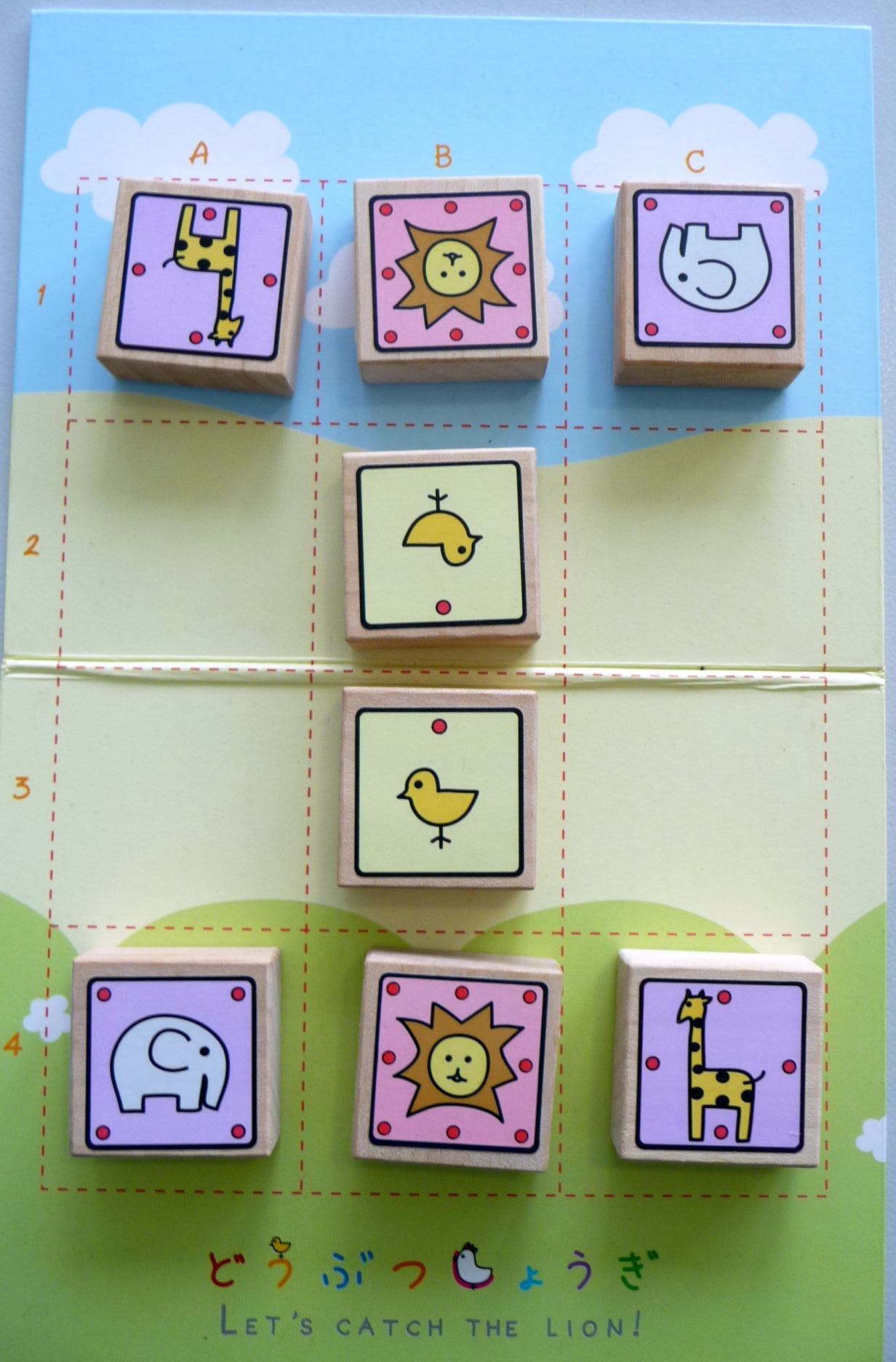
Why it matters inside shogi culture
Dōbutsu shōgi matters because it solved a practical problem: how to preserve shogi’s identity while making first contact easy and fun. It did not replace standard shogi. Instead, it widened the base of people willing to try it, especially children and families. That bridge function is its biggest legacy.
Sources (Japanese)
- 日本語Wikipedia「どうぶつしょうぎ」: https://ja.wikipedia.org/wiki/どうぶつしょうぎ
- 日本語Wikipedia「北尾まどか」: https://ja.wikipedia.org/wiki/北尾まどか
- 日本女子プロ将棋協会 公式サイト: https://joshi-shogi.com/