By Galo S Mirth
For Japanese professional shogi, 2008 is remembered for two things above all: Yoshiharu Habu regaining the Meijin title (and securing the 19th lifetime Meijin qualification), and Akira Watanabe producing one of the most dramatic comebacks in modern title match history to defend the Ryuo crown.
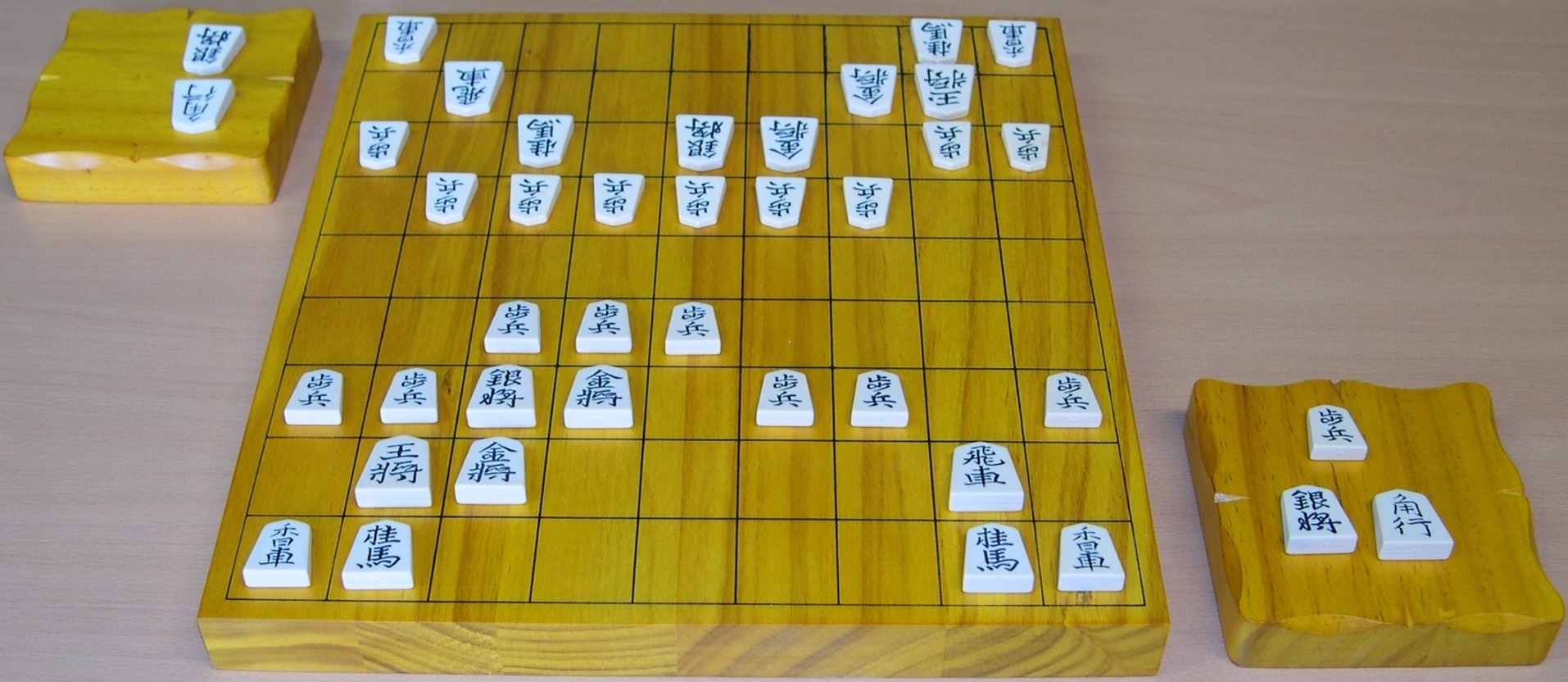
1. The biggest story: the 21st Ryuo match and Watanabe’s comeback
The 21st Ryuo (2008 season) became famous for both its international setting and its reversal of fortune. Game 1 was played in Paris, and the title match itself turned into a rare “from 0-3 down” comeback: Ryuo Akira Watanabe lost the first three games to challenger (and Meijin) Yoshiharu Habu, then won four straight to take the match 4-3. With his 5th consecutive Ryuo defense, Watanabe also obtained the qualification for lifetime Ryuo (eisei Ryuo).
- Ryuo match result: Watanabe 4-3 Habu (after trailing 0-3).
- Notable detail: Game 1 was held in Paris.
2. Major title matches and champions (2008 season)
Several of the year’s biggest matches centered on Habu, who appeared repeatedly in title fights while also reclaiming Meijin. Here are a few key results from the major titles that concluded during the 2008 season.
- Meijin: Yoshiharu Habu defeated Toshiyuki Moriuchi 4-2 to take the Meijin title (and obtained the 19th lifetime Meijin qualification).
- Ryuo: Akira Watanabe defended against Yoshiharu Habu 4-3.
- O-i (Oi): Koichi Fukaura defended against Yoshiharu Habu 4-3.
- Oza: Yoshiharu Habu defended against Kazuki Kimura 3-0.
- Kisei: Yoshiharu Habu took the title from Yasumitsu Sato 3-2.
3. Computer shogi: Gekisashi wins the World Computer Shogi Championship
In computer shogi, the World Computer Shogi Championship (WCSC) continued to be a major annual benchmark. The 18th tournament (2008) was won by Gekisashi (激指), with Tanase Shogi (棚瀬将棋) in second and Bonanza in third.
Sources (Japanese)
- Wikipedia: 第21期竜王戦 (oldid 102992451, accessed 2026-02-15).
- Wikipedia: 第66期順位戦 (contains the 第66期名人戦七番勝負 section; oldid 104469678, accessed 2026-02-15).
- Wikipedia: 第49期王位戦 (oldid 98237210, accessed 2026-02-15).
- Wikipedia: 第56期王座戦 (将棋) (oldid 98237507, accessed 2026-02-15).
- Wikipedia: 第79期棋聖戦 (将棋) (oldid 98238361, accessed 2026-02-15).
- Wikipedia: 世界コンピュータ将棋選手権 (oldid 106966325, accessed 2026-02-15).
- 日本将棋連盟: 第66期名人戦・順位戦 七番勝負 / A級 (accessed 2026-02-15).