By Galo S Mirth
2012 was a transitional year for modern shogi. The established title holders still dominated the major seven title matches, but the conversation around the game was also being reshaped by computer shogi, especially the early Denou-sen events.
1. The seven major titles in 2012
Here are the title holders associated with the 2012 season.
- Meijin: Toshiyuki Moriuchi (森内俊之)
- Ryuo: Akira Watanabe (渡辺明)
- Kisei: Yoshiharu Habu (羽生善治)
- Oi: Yoshiharu Habu (羽生善治)
- Oza: Akira Watanabe (渡辺明)
- Osho: Akira Watanabe (渡辺明)
- Kio: Akira Watanabe (渡辺明)
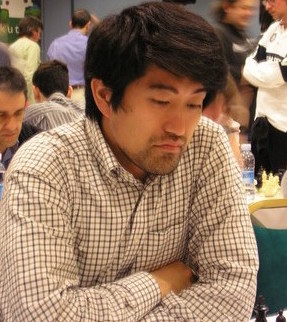
Toshiyuki Moriuchi (森内俊之). Source: Wikimedia Commons, File:Toshiyuki_Moriuchi.jpg. Author: Mikel Larreategi. License: CC BY 2.0.
2. The Denou-sen moment (computer shogi vs pro shogi)
In 2012, the Denou-sen series became a major public touchpoint for computer shogi. One of the best known games that year was the January 14 matchup between Kunio Yonenaga (米長邦雄) and the engine Bonkras (ボンクラーズ), followed by a five-game match in spring 2012 between active professionals and leading engines of the time. These events helped push computer shogi from a niche competition scene into a mainstream shogi topic.
3. What to remember
- The title landscape featured familiar giants: Moriuchi as Meijin, Habu as Kisei and Oi, and Watanabe holding multiple other major crowns.
- Computer shogi gained broader visibility via the Denou-sen events, setting the stage for the much more intense human vs engine debates that followed in later years.
Sources (Japanese)
- Wikipedia (Japanese): 将棋のタイトル在位者一覧 (oldid 108293908) https://ja.wikipedia.org/w/index.php?title=%E5%B0%86%E6%A3%8B%E3%81%AE%E3%82%BF%E3%82%A4%E3%83%88%E3%83%AB%E5%9C%A8%E4%BD%8D%E8%80%85%E4%B8%80%E8%A6%A7&oldid=108293908
- Wikipedia (Japanese): 将棋電王戦 (oldid 105728484) https://ja.wikipedia.org/w/index.php?title=%E5%B0%86%E6%A3%8B%E9%9B%BB%E7%8E%8B%E6%88%A6&oldid=105728484