Tanase Shogi (棚瀬将棋) is one of the important bridge engines in computer-shogi history. It came from the same development lineage as Tōdai Shogi, but it represented a rebuild by programmer Yasushi Tanase (棚瀬寧). In the late 2000s, it was strong enough to sit near the top of major computer-shogi events and became a familiar benchmark in conversations about practical, tournament-ready engine strength.
Gekisashi (激指) is one of the best known names in Japanese computer shogi. It mattered for two different reasons at the same time: tournament strength and consumer software design. The engine won top events in the World Computer Shogi Championship era, and the commercial series helped many regular players use AI analysis as part of daily study.
The World Computer Shogi Championship (WCSC, 世界コンピュータ将棋選手権) is the central annual competition of computer shogi. Organized by the Computer Shogi Association (CSA), it became the benchmark event where developers test not only software ideas but also practical engineering choices such as hardware setup, stability, and match operation.
Bonanza was one of the decisive turning points in computer shogi. Built by Kunihito Hoki, it was not just another strong engine. It changed how developers thought about search, evaluation, and data driven tuning. In Japan, people later called its training approach the Bonanza Method, and by the early 2010s that approach had spread across the top tier of tournament engines.
2025 was another dense year in shogi. The title scene stayed intense, but the year also brought major structural and cultural changes, from prize-money realignment to women’s-title milestones and new records by younger players and non-professionals. This review highlights the most important developments from the Japanese shogi world across the 2025 calendar year.
2012 was a transitional year for modern shogi. The established title holders still dominated the major seven title matches, but the conversation around the game was also being reshaped by computer shogi, especially the early Denou-sen events.
For Japanese professional shogi, 2008 is remembered for two things above all: Yoshiharu Habu regaining the Meijin title (and securing the 19th lifetime Meijin qualification), and Akira Watanabe producing one of the most dramatic comebacks in modern title match history to defend the Ryuo crown.
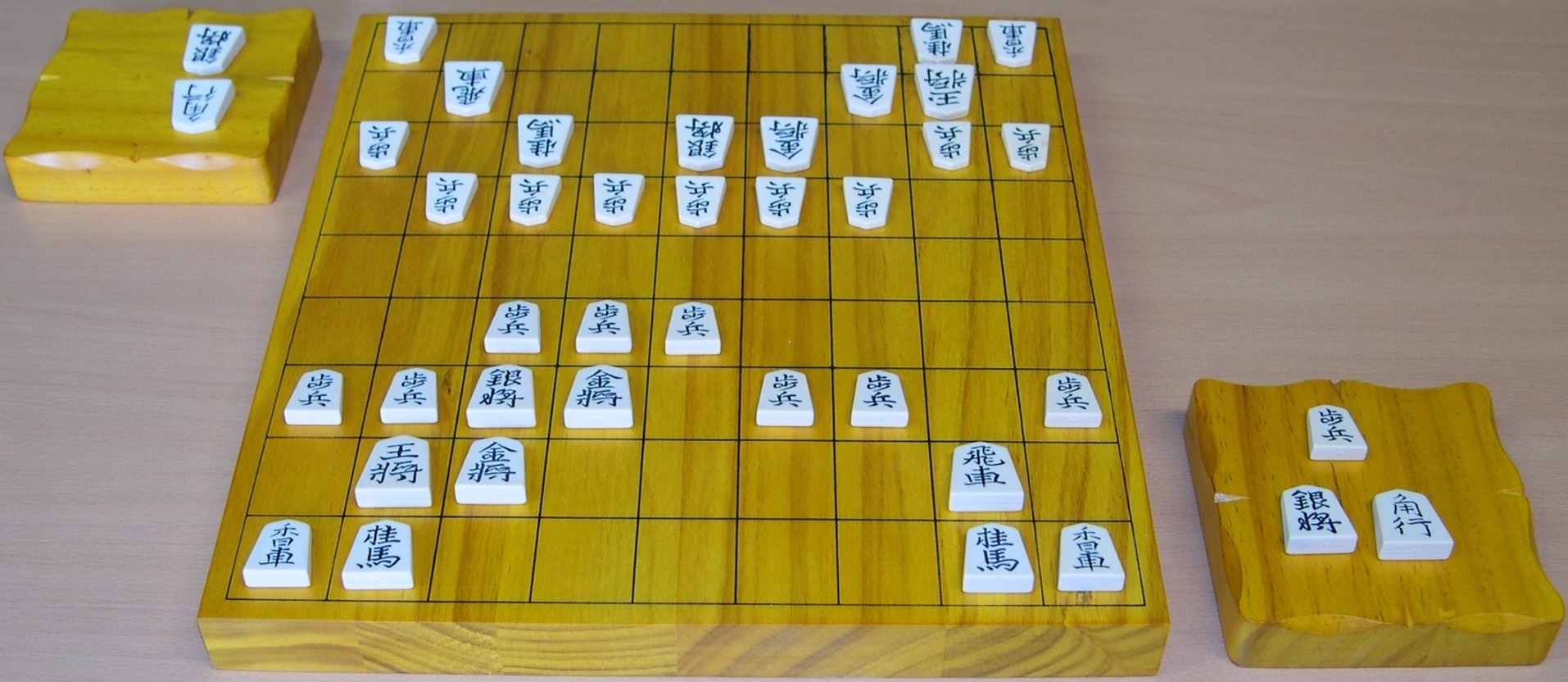
Shogi board, pieces, and komadai. Source: Wikimedia Commons, File:Shogi_board_pieces_and_komadai.jpg. Author: Oliver Orschiedt. License: CC BY-SA 3.0.
1. The biggest story: the 21st Ryuo match and Watanabe’s comeback
The 21st Ryuo (2008 season) became famous for both its international setting and its reversal of fortune. Game 1 was played in Paris, and the title match itself turned into a rare “from 0-3 down” comeback: Ryuo Akira Watanabe lost the first three games to challenger (and Meijin) Yoshiharu Habu, then won four straight to take the match 4-3. With his 5th consecutive Ryuo defense, Watanabe also obtained the qualification for lifetime Ryuo (eisei Ryuo).
Ryuo match result: Watanabe 4-3 Habu (after trailing 0-3).
Notable detail: Game 1 was held in Paris.
2. Major title matches and champions (2008 season)
Several of the year’s biggest matches centered on Habu, who appeared repeatedly in title fights while also reclaiming Meijin. Here are a few key results from the major titles that concluded during the 2008 season.
Meijin: Yoshiharu Habu defeated Toshiyuki Moriuchi 4-2 to take the Meijin title (and obtained the 19th lifetime Meijin qualification).
Ryuo: Akira Watanabe defended against Yoshiharu Habu 4-3.
O-i (Oi): Koichi Fukaura defended against Yoshiharu Habu 4-3.
Oza: Yoshiharu Habu defended against Kazuki Kimura 3-0.
Kisei: Yoshiharu Habu took the title from Yasumitsu Sato 3-2.
3. Computer shogi: Gekisashi wins the World Computer Shogi Championship
In computer shogi, the World Computer Shogi Championship (WCSC) continued to be a major annual benchmark. The 18th tournament (2008) was won by Gekisashi (激指), with Tanase Shogi (棚瀬将棋) in second and Bonanza in third.
2006 was a year of familiar giants and a few clear signals of what would come next. Toshiyuki Moriuchi kept the Meijin crown, Yoshiharu Habu continued to pile up long-running title streaks, Yasuhiro Sato (Yasumitsu) collected trophies across multiple fronts, and Akira Watanabe’s Ryuo reign continued.