Tag: Moriuchi

  • Shogi 2004 in Review

    By Galo S Mirth

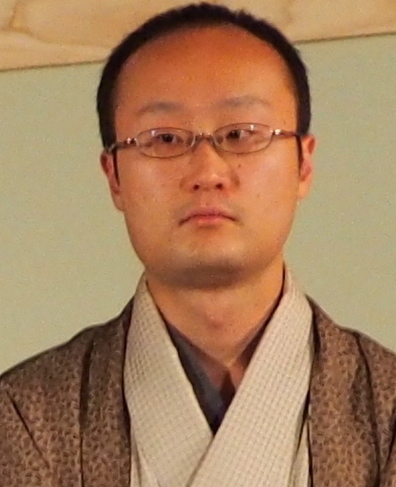
    Akira Watanabe (渡辺明), professional shogi player
    Akira Watanabe (渡辺明), who won his first Ryūō title in the 17th Ryūō-sen (2004). Source: Wikimedia Commons, File:Akira_Watanabe.jpg. Author: nakashi. License: CC BY-SA 2.0. (Image originally from Flickr; cropped version on Commons.)

    Shogi in 2004 was a year of shifting generations. Toshiyuki Moriuchi took the Meijin title back from Yoshiharu Habu, but the headline story at year’s end was a new name at the very top: Akira Watanabe captured the Ryūō crown for the first time.

    Below is a compact, source-backed tour of the year’s biggest title matches and several other notable results (including women’s titles). The dates in the Japanese sources are written in “2004年度” terms (roughly April 2004 to March 2005), but the main title series listed here were played across 2004.

    1. Major title matches (2004)

    • 62nd Meijin (第62期名人戦): Toshiyuki Moriuchi (森内俊之) defeated Meijin Yoshiharu Habu (羽生善治) 4-2 and became Meijin again (2nd time overall).
    • 75th Kisei (第75期棋聖戦): Yasumitsu Satō (佐藤康光) defended the Kisei title against Moriuchi 3-0.
    • 45th Ōi (第45期王位戦): Habu won the Ōi title, defeating Kōji Tanigawa (谷川浩司) 4-1.
    • 52nd Ōza (第52期王座戦): Habu defended the Ōza title against Moriuchi 3-1 (continuing his long Ōza run).
    • 17th Ryūō (第17期竜王戦): Akira Watanabe (渡辺明) defeated Ryūō Moriuchi 4-3 to win his first major title.

    Even from just these results, the year’s narrative is clear: Moriuchi rose to the top with the Meijin, Habu remained a constant force (Ōi and Ōza), and Watanabe’s Ryūō breakthrough opened a new chapter.

    Other notable tournament results

    • 22nd Asahi Open Shogi Championship (第22回朝日オープン将棋選手権): Habu won the tournament (final held May 25, 2004) over Kōichi Fukaura (深浦康市).
    • 12th Ginga-sen (第12期銀河戦): Habu won again, defeating Tanigawa in the final (September 25, 2004).
    • 25th JT Shogi Japan Series (第25回JT将棋日本シリーズ): Yasumitsu Satō won (final November 28, 2004) over Toshiaki Kubo (久保利明).
    • 35th Shinjin-Ō (第35期新人王戦): Takayuki Yamazaki (山崎隆之) won (final November 4, 2004) over Shinya Satō (佐藤紳哉).

    Women’s shogi highlights (selected)

    • 26th Women’s Ōshō (第26期女流王将): Hiroe Nakai (中井広恵) defended 3-1 against Yukio Ishibashi (石橋幸緒).
    • 15th Women’s Ōi (第15期女流王位): Ichiyo Shimizu (清水市代) defended 3-0 against Rieko Yanai (矢内理絵子).
    • 12th Kurashiki Tōka (第12期倉敷藤花): Ichiyo Shimizu took the title from Nakai 2-1.

    What to remember about 2004

    • Moriuchi’s spring resurgence: winning the Meijin match against Habu set the tone for the year’s title picture.
    • Habu’s continuing dominance: even while losing Meijin, he still captured or defended major crowns and won big open events.
    • Watanabe’s arrival: the 17th Ryūō win (4-3) was a true turning point, introducing a new future long-term titleholder.

    Sources (Japanese)

    • Wikipedia (Japanese): 「2004年度の将棋界」 (oldid=106888681) https://ja.wikipedia.org/wiki/2004%E5%B9%B4%E5%BA%A6%E3%81%AE%E5%B0%86%E6%A3%8B%E7%95%8C?oldid=106888681
    • Wikipedia (Japanese): 「第17期竜王戦」 (oldid=99511025) https://ja.wikipedia.org/wiki/%E7%AC%AC17%E6%9C%9F%E7%AB%9C%E7%8E%8B%E6%88%A6?oldid=99511025
    • Wikipedia (Japanese): 「第45期王位戦」 (oldid=98237058) https://ja.wikipedia.org/wiki/%E7%AC%AC45%E6%9C%9F%E7%8E%8B%E4%BD%8D%E6%88%A6?oldid=98237058
    • Wikipedia (Japanese): 「第75期棋聖戦 (将棋)」 (oldid=98238305) https://ja.wikipedia.org/wiki/%E7%AC%AC75%E6%9C%9F%E6%A3%8B%E8%81%96%E6%88%A6_(%E5%B0%86%E6%A3%8B)?oldid=98238305
  • Shogi 2003 in Review

    By Galo S Mirth

    The 2003 shogi season (April 2003 to March 2004, following Japanese convention) felt like a swing year. Yoshiharu Habu reclaimed the Meijin, but the year ended with a completely different headline: Toshiyuki Moriuchi swept Habu to take the Ryuo and later wrested the Osho as well. Meanwhile, Koji Tanigawa continued to prove he could still win big matches at the very top, and a teenage challenger, Akira Watanabe, pushed Habu in the Oza.

    Below is a compact tour of the year, using Japanese records and summaries.

    1) Meijin changes hands: Habu takes the 61st Meijin

    In the 61st Meijin (第61期名人戦), challenger Yoshiharu Habu (羽生善治) defeated defending Meijin Toshiyuki Moriuchi (森内俊之). The match score is recorded as a clean win for Habu, with one game becoming a sennichite (千日手).

    2) Kisei stays with Sato: a 3-0 defense

    The 74th Kisei (第74期棋聖戦) was short and sharp. Yasumitsu Sato (佐藤康光) defended his title against Tadahisa Maruyama (丸山忠久) by 3-0. In a five game match, a sweep is both rare and loud.

    3) Tanigawa holds the Oi: 4-1 over Habu

    In the 44th Oi (第44期王位戦), Koji Tanigawa (谷川浩司) defended against Habu by 4-1. The scoreline matters: it was not a coin flip series, but a firm defense.

    4) The Oza match that introduced a new name: Watanabe pushes Habu

    For the 51st Oza (第51期王座戦), Habu defended against 5-dan Akira Watanabe (渡辺明). Watanabe won two games and took the match to a fifth, but Habu held on 3-2. For many fans, this series is an early marker of the generation that would soon reshape top level shogi.

    5) The year’s biggest jolt: Moriuchi sweeps Habu for the Ryuo

    The 16th Ryuo (第16期竜王戦) ended in a shockingly decisive way. Challenger Toshiyuki Moriuchi beat Habu 4-0 to take his first Ryuo title. A four game sweep in a seven game match is the kind of result that changes the story of a whole season.

    Toshiyuki Moriuchi (森内俊之) at a 2018 JT Shogi event
    Toshiyuki Moriuchi (森内俊之) in 2018. Source: Wikimedia Commons, File:SHOGI Proffesional Toshiyuki Moriuchi.jpg. Author: Pooh456. License: CC BY-SA 4.0.

    6) Winter crown: Moriuchi takes Osho from Habu

    The momentum carried into winter. In the 53rd Osho (第53期王将戦), Moriuchi (as Ryuo) defeated Habu (as Osho) by 4-2 to claim the Osho. By the end of the season, Moriuchi had turned a spring loss in the Meijin into the year’s most memorable double strike.

    7) Kio switches again: Tanigawa takes it from Maruyama

    In the 29th Kio (第29期棋王戦), Tanigawa defeated defending champion Maruyama by 3-1. With the Oi already in hand, it reinforced the sense that Tanigawa remained a serious title match threat whenever he reached the big stage.

    Major title match winners for the 2003 season (April 2003 to March 2004)

    • Meijin: Yoshiharu Habu (羽生善治)
    • Ryuo: Toshiyuki Moriuchi (森内俊之)
    • Oi: Koji Tanigawa (谷川浩司)
    • Oza: Yoshiharu Habu (羽生善治)
    • Kisei: Yasumitsu Sato (佐藤康光)
    • Osho: Toshiyuki Moriuchi (森内俊之)
    • Kio: Koji Tanigawa (谷川浩司)

    Sources (Japanese)

    • Wikipedia (JA): 名人戦 (将棋) (oldid 108192561) https://ja.wikipedia.org/wiki/%E5%90%8D%E4%BA%BA%E6%88%A6_(%E5%B0%86%E6%A3%8B)?oldid=108192561
    • Wikipedia (JA): 第74期棋聖戦 (将棋) (oldid 98238288) https://ja.wikipedia.org/wiki/%E7%AC%AC74%E6%9C%9F%E6%A3%8B%E8%81%96%E6%88%A6_(%E5%B0%86%E6%A3%8B)?oldid=98238288
    • Wikipedia (JA): 第44期王位戦 (oldid 98237018) https://ja.wikipedia.org/wiki/%E7%AC%AC44%E6%9C%9F%E7%8E%8B%E4%BD%8D%E6%88%A6?oldid=98237018
    • Wikipedia (JA): 第51期王座戦 (将棋) (oldid 98237398) https://ja.wikipedia.org/wiki/%E7%AC%AC51%E6%9C%9F%E7%8E%8B%E5%BA%A7%E6%88%A6_(%E5%B0%86%E6%A3%8B)?oldid=98237398
    • Wikipedia (JA): 第16期竜王戦 (oldid 99511023) https://ja.wikipedia.org/wiki/%E7%AC%AC16%E6%9C%9F%E7%AB%9C%E7%8E%8B%E6%88%A6?oldid=99511023
    • Wikipedia (JA): 第53期王将戦 (oldid 103417480) https://ja.wikipedia.org/wiki/%E7%AC%AC53%E6%9C%9F%E7%8E%8B%E5%B0%86%E6%88%A6?oldid=103417480
    • Wikipedia (JA): 第29期棋王戦 (oldid 98236065) https://ja.wikipedia.org/wiki/%E7%AC%AC29%E6%9C%9F%E6%A3%8B%E7%8E%8B%E6%88%A6?oldid=98236065
    • Wikimedia Commons: File:SHOGI Proffesional Toshiyuki Moriuchi.jpg (CC BY-SA 4.0) https://commons.wikimedia.org/wiki/File:SHOGI_Proffesional_Toshiyuki_Moriuchi.jpg
  • Shogi 2002 in Review

    Shogi 2002 in Review

    By Galo S Mirth

    The 2002 shogi season (April 2002 to March 2003, following Japanese convention) was a year of clear turning points. A new Meijin was crowned in decisive fashion, major titles moved between the familiar giants, and end of year results again left Yoshiharu Habu holding the game’s richest prize. Meanwhile, the annual awards highlighted both elite consistency and a quirky opening idea that was memorable enough to be recognized by name.

    Here is a compact tour of 2002, using Japanese records and summaries.

    1) A new Meijin in four straight: Toshiyuki Moriuchi breaks through

    The headline of the spring was the 60th Meijin (第60期名人戦). Toshiyuki Moriuchi (森内俊之) won the title by defeating defending Meijin Tadahisa Maruyama (丸山忠久) 4-0. A sweep at this level is rare and it changes how a whole season feels. It signals not just a win, but a moment when preparation, confidence, and match control all lined up at once.

    2) Early summer change: Yasumitsu Sato becomes Kisei

    The 73rd Kisei (棋聖戦) also brought a new champion. Yasumitsu Sato (佐藤康光) defeated defending champion Masataka Goda (郷田真隆) 3-2 to win his first Kisei title. Five game matches are short enough that one missed chance matters, but long enough that the winner usually shows more than one plan.

    3) The mid year reversal: Tanigawa retakes Oi from Habu

    In the 43rd Oi (王位戦), Koji Tanigawa (谷川浩司) took the title from Habu by 4-1. The scoreline matters because it was not a coin flip. It was a firm statement that Tanigawa could still seize control of a top match even in an era where Habu’s consistency often felt inevitable.

    4) One title stays put: Habu extends his Oza streak

    Not everything moved. In the 50th Oza (王座戦), Habu defended the title by beating Sato 3-0. This was the kind of result that kept the year from feeling like a clean changing of the guard. Even as crowns shifted elsewhere, Habu’s grip on Oza remained strong.

    5) The late year centerpiece: Habu survives a full seven game Ryu o

    The 15th Ryu o (竜王戦) went the distance. Habu defended by 4-3 against Takashi Abe (阿部隆). A 4-3 defense is the most honest kind of dominance: the champion is still champion, but only by solving the hardest problems under maximum pressure.

    6) Winter crowns: Habu takes Osho, Maruyama takes Kio

    The season’s winter matches gave two more clear results. Habu won the 52nd Osho (王将戦) by defeating Sato 4-0. And in the 28th Kio (棋王戦), Maruyama defended successfully against Habu by 3-2, earning his first Kio title.

    Major title match winners for the 2002 season (April 2002 to March 2003).

    • Meijin: Toshiyuki Moriuchi (森内俊之)
    • Kisei: Yasumitsu Sato (佐藤康光)
    • Oi: Koji Tanigawa (谷川浩司)
    • Oza: Yoshiharu Habu (羽生善治)
    • Ryu o: Yoshiharu Habu (羽生善治)
    • Osho: Yoshiharu Habu (羽生善治)
    • Kio: Tadahisa Maruyama (丸山忠久)

    7) What the awards said about 2002: results, ideas, and the rise of new names

    The annual Shogi Awards (将棋大賞) are useful because they tell you what insiders thought mattered, not just who won what. For the 30th awards (covering the 2002 season), Habu was named Most Outstanding Player (最優秀棋士賞). Moriuchi received the Technique Award (技能賞), and the Rookie Award (新人賞) went to Akira Watanabe (渡辺明), an early sign of the generation that would soon reshape the top ranks.

    The most colorful item on the list was the Masuda Kozo Award (升田幸三賞), given to Koichi Kodama (児玉孝一) for Kani Kani Gin (カニカニ銀). Whether you love or hate its look, it captures an idea that keeps returning in shogi theory: sometimes the fastest path to safety is an active, oddly shaped development that invites a fight on your own terms.

    Closing thought

    If 2001 felt like the title picture tightening, 2002 felt like it snapping into new positions. Moriuchi’s sweep in the Meijin was the clearest signal, but the rest of the season still revolved around the same central gravity: Habu’s ability to survive long matches, win short ones, and end the year holding the biggest trophy even when other crowns changed hands.

    Sources (Japanese)

    • Wikipedia (日本語): 「2002年度の将棋界」 (oldid 106886866). https://ja.wikipedia.org/w/index.php?title=2002%E5%B9%B4%E5%BA%A6%E3%81%AE%E5%B0%86%E6%A3%8B%E7%95%8C&oldid=106886866 (accessed 2026-02-14)
    • 日本将棋連盟: 「将棋大賞 受賞者一覧」. https://www.shogi.or.jp/player/winner03.html (accessed 2026-02-14)
    • Wikipedia (日本語): 「カニカニ銀」 (oldid 93197310). https://ja.wikipedia.org/w/index.php?title=%E3%82%AB%E3%83%8B%E3%82%AB%E3%83%8B%E9%8A%80&oldid=93197310 (accessed 2026-02-14)
    • 日本将棋連盟(アーカイブ): 「2002年度 棋士成績一覧」(Web Archive). https://web.archive.org/web/20030415235937/http://www.shogi.or.jp/kisen/2002kiroku/kozin.html (accessed 2026-02-14)